India’s fisheries sector has emerged as a major contributor to food security, employment, export earnings and sustainable livelihoods, backed by a record ₹39,272 crore investment by the Government of India since 2015. The sector supports nearly 30 million fishers and fish farmers at the primary level and almost twice as many across the value chain. Ranked the second‑largest aquaculture producer globally, India accounts for about 8% of global fish production. Once largely traditional, fisheries has evolved into a commercially significant sector over the past decade, while ensuring inclusive growth for small scale fishers. This transformation is reflected in output growth, with fish production rising from 141.64 lakh tonnes in 2019‑20 to 197.75 lakh tonnes in 2024‑25, recording an average annual growth of around 7%.

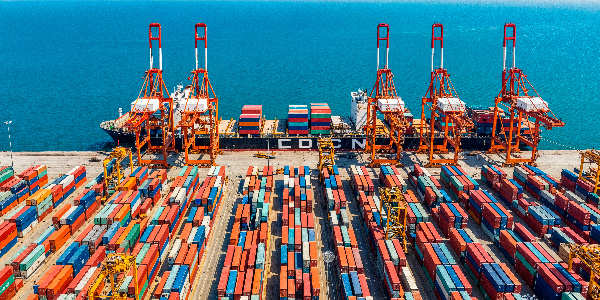
India’s seafood exports have recorded strong and sustained growth, expanding at an average annual rate of 7% over the past 11 years. Marine product exports have more than doubled during the period, rising from ₹30,213 crore in 2013‑14 to ₹62,408 crore in 2024‑25, driven largely by shrimp exports valued at ₹43,334 crore.
India’s seafood exports span a wide and diversified basket, with over 350 varieties of products shipped to nearly 130 global markets. The United States remains the largest destination, accounting for 36.42% of total export value in 2024‑25, followed by China, the European Union, Southeast Asia, Japan and the Middle East, while other markets together account for about 9%. The export mix continues to be dominated by frozen shrimp, which remains India’s flagship seafood product, followed by frozen fish, squid, dried items, frozen cuttlefish, surimi‑based products, and live and chilled seafood, reflecting both strong global demand and expanding product diversification. Share of value added products in the seafood export basket has increased from 2.5% to 11%, amounting to USD 742 million in export value.
To reduce over‑dependence on a few commodities and deepen India’s presence in global seafood markets, the Government is actively pursuing diversification of the export basket. Under the Pradhan Mantri Matsya Sampada Yojana (PMMSY), the Department of Fisheries supports a wide range of interventions across the value chain, including quality fish seed production, expansion and diversification of brackish‑water aquaculture, promotion of export‑oriented species, technology adoption, disease management, traceability systems, and capacity building. Investments are also being made to strengthen post‑harvest infrastructure, seamless cold‑chain networks, modern fishing harbours and fish landing centres. In parallel, the Government is promoting diversified aquaculture focused on high‑value species such as Tuna, seabass, cobia, pompano, mud crab, GIFT tilapia, grouper, tiger shrimp (P. monodon), scampi and seaweed, with the objective of expanding India’s product portfolio and improving access to premium international markets.
Photo: freepik