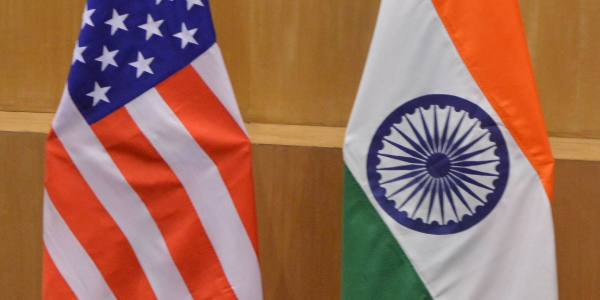
The United States and India have agreed to reduce tariffs on Indian exports from 50% to 18%, a move expected to make Indian products more globally competitive and attract technology transfers to boost domestic manufacturing and innovation.

The agreement is expected to open export opportunities, particularly for businesses that had deferred orders due to high costs.
Textiles and apparel are seen as the biggest beneficiaries, with the US accounting for nearly 28% of India’s total textile exports.
More than half of India’s textile and apparel imports are linked to US cotton, reflecting deep trade integration.
The tariff reduction narrows the pricing gap, benefiting large exporters supplying mid-value US retailers.
Companies with high US exposure, including UPL, SRF, and Jubilant Ingrevia, are likely to see faster volume recovery and improved pricing power.
Specialty chemicals, seafood, engineering goods, and gems and jewellery are also set to gain from reduced landed costs and increased competitiveness.
The pact strengthens India’s position in US supply chains amid China-plus-one strategies, supports Make in India and Design in India initiatives, and is expected to expand market access for agricultural and processed products.
Photo: File